Educators or just teachers?
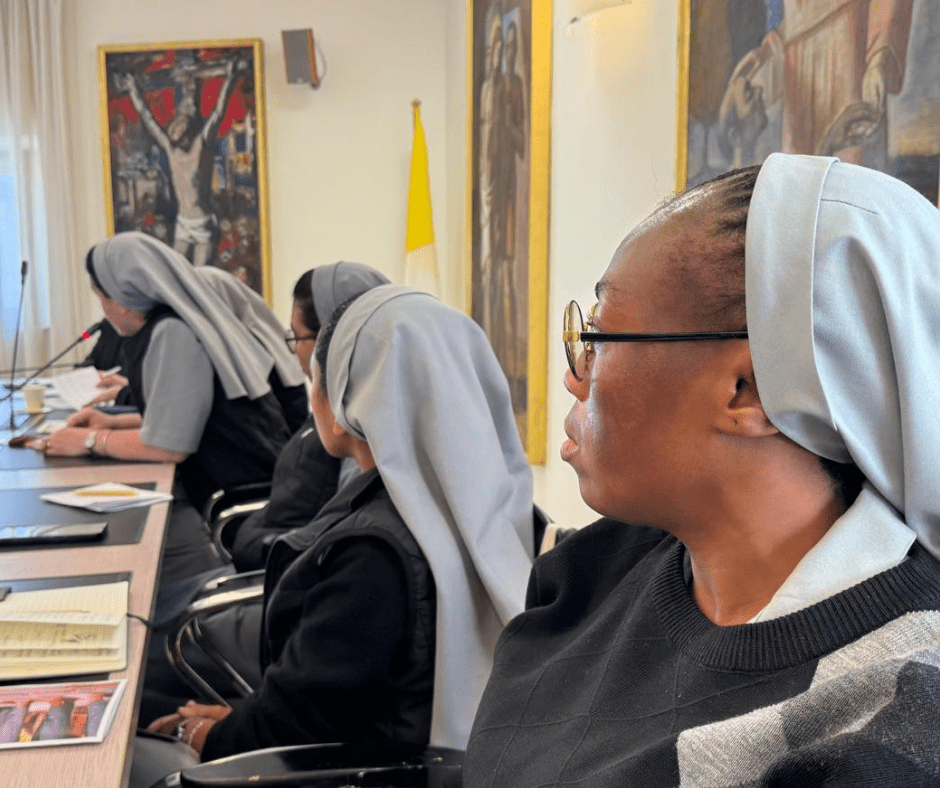
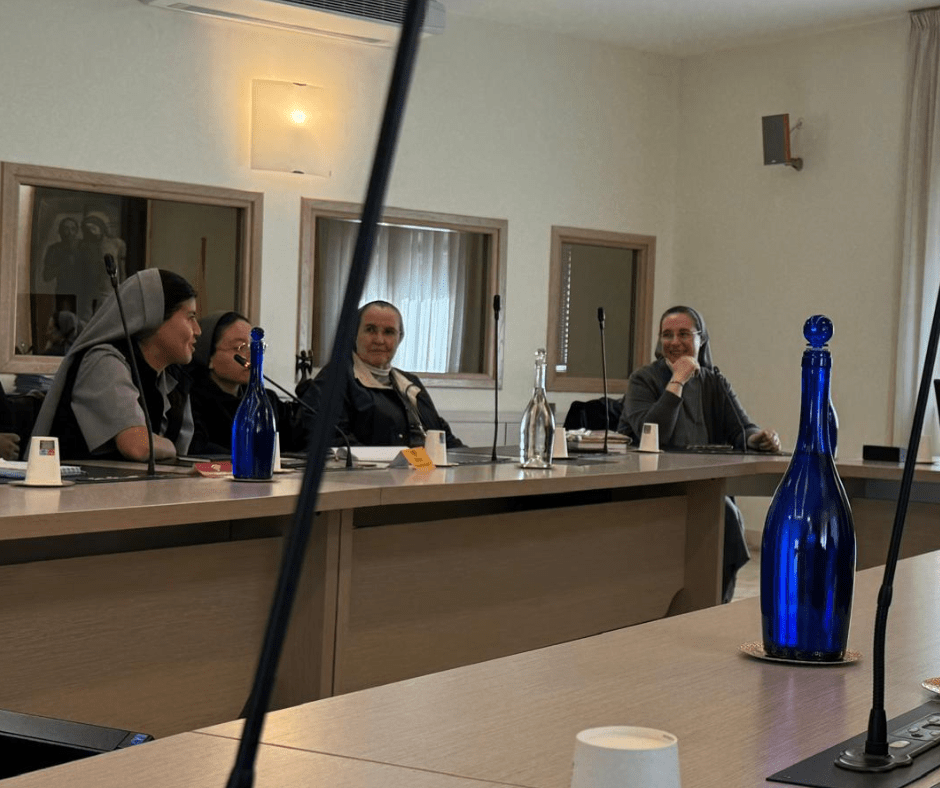
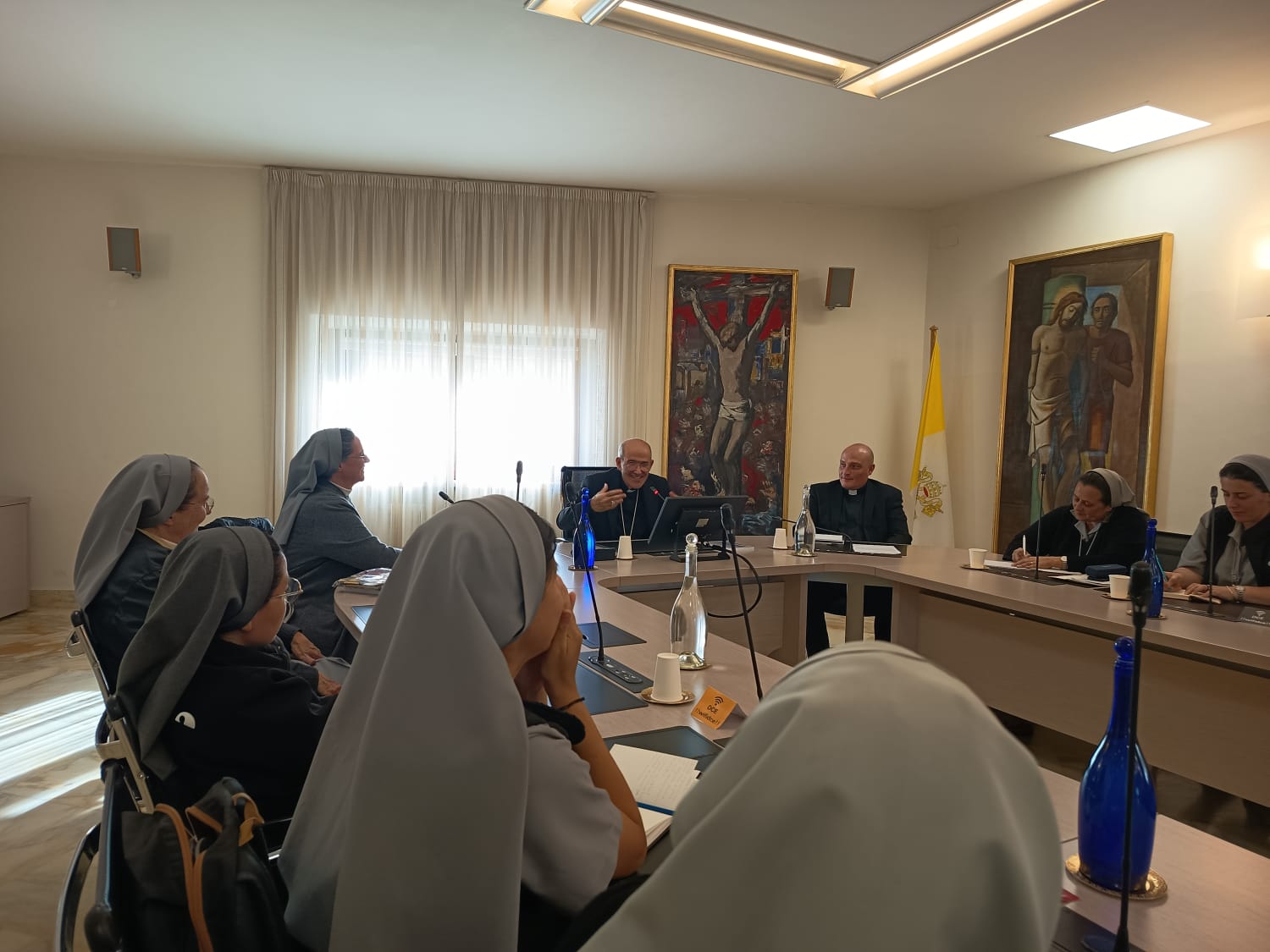
This question marked one of the most significant moments of the Meeting of Perpetual Religious, where the educational mission of the Church was placed at the center of the dialogue.
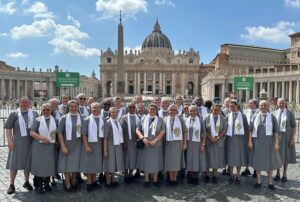
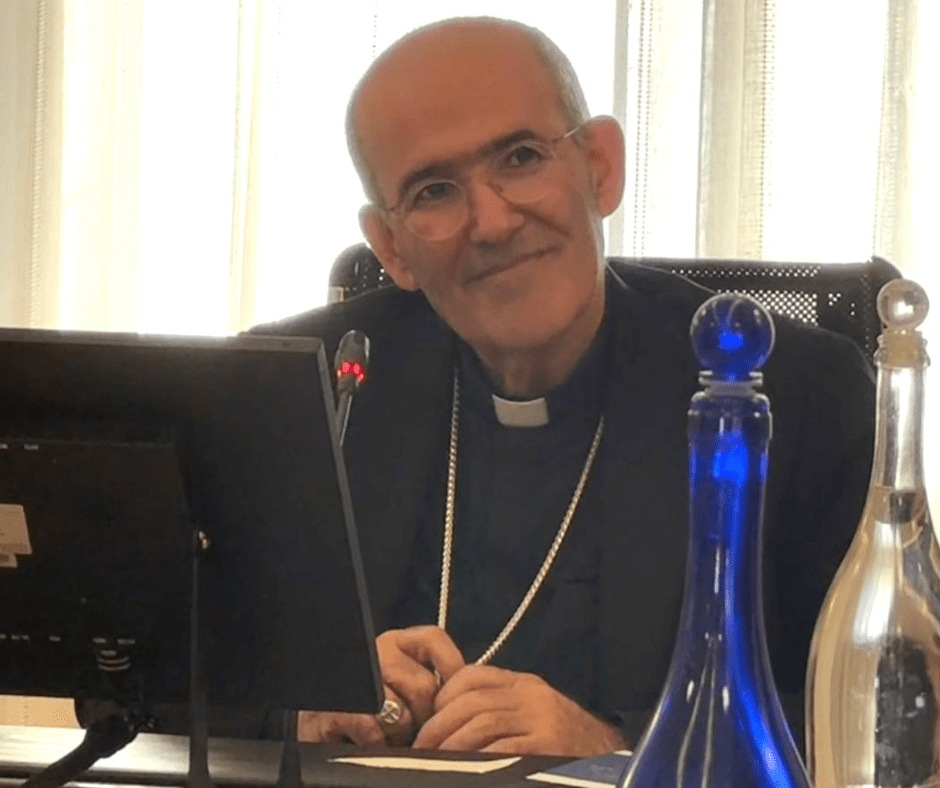
In this space for encounter and discernment, the young nuns, accompanied by Mother María del Mar Sánchez, Superior General, engaged in dialogue with Cardinal José Tolentino de Mendonça, Prefect of the Dicastery for Culture and Education. It was a moment of special grace that opened new perspectives on the present and future of Catholic education.
The Cardinal invited everyone to look at education with fresh eyes, reminding them that the educational world today needs a prophetic dimension capable of responding to global challenges with hope. In this sense, he championed the figure of the educator as a “witness to existence,” echoing a reflection by María Zambrano: the educator is not only someone who answers questions, but someone before whom the student learns to question themselves.
This vision connects with one of the major transformations currently underway in education: moving from a model focused on the transmission of content to a holistic education, where personal, emotional, and spiritual support plays a central role. It's not just about teaching, but about becoming involved in the other person's life, their journey, and their growth.
In this context, the Cardinal was clear in stating that education is not a secondary dimension in the Church, but rather the “very fabric of evangelization.” This statement reinforces the role of Catholic education as a privileged space for the transmission of values, the building of community, and the generation of hope in a fragmented world.
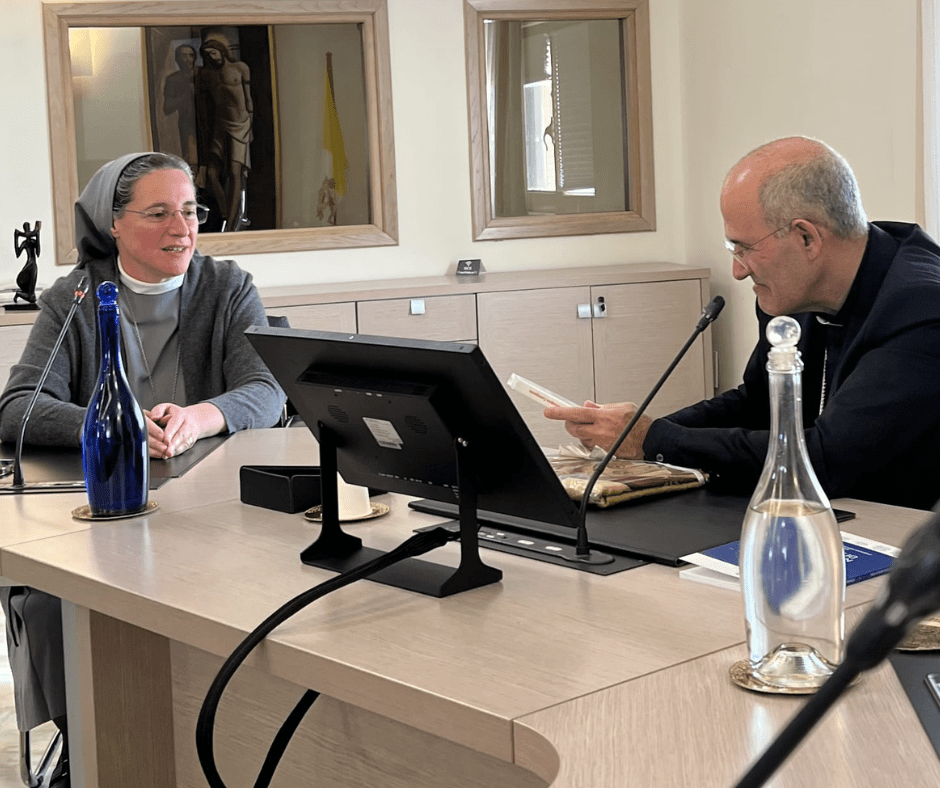
The dialogue also brought to the forefront the challenges teachers face today: administrative overload, emotional isolation, and a lack of social recognition. In light of this reality, a direct appeal resonated powerfully: “Don’t forget the teachers. Even those who care for others need care.”.
Caring for educators thus becomes an urgent priority. In a context where concern for teacher well-being and emotional health in education is growing, this message encourages the creation of more humane communities where educators are also supported, recognized, and empowered.
In line with the Global Compact on Education promoted by Pope Francis, the Cardinal highlighted three key areas for renewing education today: cultivating the inner life, promoting digital humanism, and educating for peace. These priorities address profoundly relevant challenges: helping young people find meaning, integrating technology in a humane way, and building educational spaces that foster dialogue and reconciliation.
Another of the most suggestive contributions was the invitation to work from the “logic of constellations”: a way of building a network in Catholic education, where each charism maintains its identity but joins with others to face together challenges such as poverty, exclusion or social fragmentation.
This approach directly addresses a key trend in global education: the need for collaboration, partnerships, and networking to generate a real and sustainable impact.
The meeting concluded with a recognition of consecrated life as an “antenna of the future” and prophetic vanguard, especially in those places where the Church is present as a sign of hope.
In a historical moment marked by uncertainty, education once again emerges as a privileged path to cultivating humanity. As the Cardinal himself reminded us, to be an educator is to assume responsibility for one's existence and one's journey, and to have the courage to envision new possibilities for the present.
Today more than ever, education needs witnesses. People capable of accompanying, listening, and broadening horizons. Because, at the heart of the Church, education remains a concrete way to transform the world from within.